
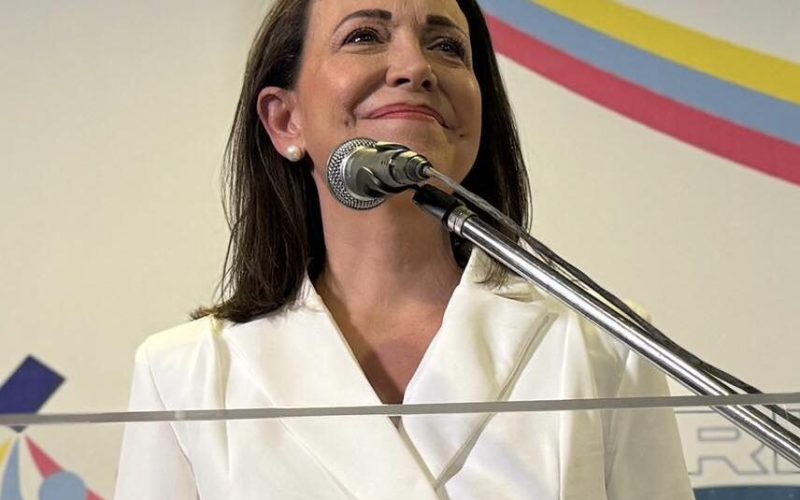
The announcement that the 2025 Nobel Peace Prize would go to Venezuelan opposition figure María Corina Machado triggered a swift and contentious response from ex-Honduran president José Manuel “Mel” Zelaya Rosales and the LIBRE political organization. Zelaya characterized the honor as “a challenge to history and to nations struggling for their self-determination” and charged the Nobel Committee with transforming the accolade into a “tool of contemporary imperialism.”
In a social media post, Zelaya labeled Machado a «coup plotter» and «supporter of financial power brokers and external agendas,» asserting that bestowing the award upon her constitutes an «insult to the Latin American populace.» These declarations ignite fierce political discourse both within and beyond Honduras, positioning the nation at the nucleus of deliberations concerning its political figures’ ideological leanings.
Domestic responses and the governing party’s viewpoint
At the national level, opinions on the Nobel Prize were divided between liberal and opposition sectors. While some celebrated the recognition as a endorsement of human rights and democracy, ruling party leaders supported Zelaya’s position. Congresswoman Maribel Espinoza stated that Zelaya is “a friend and associate of a narco-dictator” and added that his speech “rejects the authentic struggle for freedom in Latin America.”
Analysts believe that the LIBRE party’s rejection of the award demonstrates ideological affinity with Venezuela’s Chavista political model. This perception is linked to fears about the possible replication of authoritarian and populist practices in Honduras, which could affect the country’s governance and institutional balance.
Regional implications and María Corina Machado’s message
From concealment, María Corina Machado devoted the Nobel Prize “to the Venezuelan populace and to all individuals who have contended against authoritarianism.” Her commentary was lauded by democratic figures in Latin America and reinforced the viewpoint of resistance to administrations aligned with Chavismo.
The incident has garnered global scrutiny regarding the political stance of LIBRE, intensifying debates concerning the sway of regional paradigms on Honduran governance and how these affiliations shape views on democratic processes and public involvement.
Political tensions and institutional perspectives
The controversy sparked by the response of Zelaya and his group underscores a political landscape characterized by division. The discourse surrounding the Nobel Peace Prize unfolds amid increased examination of the factions’ stances on democratic governance, institutional independence, and foreign involvement in domestic affairs.
The acknowledgment of Machado, the backing from certain groups, and the defiance from LIBRE highlight the friction between viewpoints that champion the protection of rights and liberties, and those that support particular regional governments. This disparity creates difficulties for governance, institutional integrity, and political steadiness in Honduras, leaving the nation subject to both domestic and global examination.