
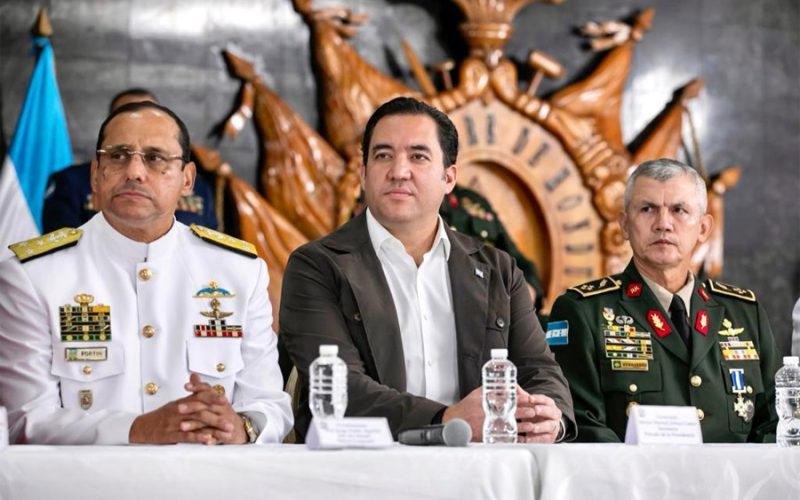
Honduran politics is facing significant tension after confirmation that the head of the Armed Forces has expressed his support for the LIBRE party’s plan to establish a constituent assembly. The measure has raised alarm among different sectors of society, who see possible impacts on the country’s institutional structure and governance.
Sources close to the military high command indicate that support for the constituent assembly is intended to open the door to reforms that, according to critics, could profoundly alter the current legal and political framework. Experts and opposition figures warn that this alliance between the ruling party and the armed forces could influence the length of LIBRE’s term in office and the consolidation of institutional decisions with fewer checks and balances.
Political and Military Ramifications
The military leadership’s endorsement of the constituent assembly has been viewed by experts as a crucial factor in guaranteeing the realization of LIBRE’s agenda. This situation sparks concerns about the division of governmental authority and the autonomy of state institutions, simultaneously heightening the apprehension of militarization within political spheres.
Civil society organizations, scholars, and corporate executives have voiced apprehension regarding the centralization of authority, cautioning that significant constitutional amendments might be enacted without widespread societal or institutional agreement. This discourse has additionally ignited a discussion concerning civic engagement and democratic oversight mechanisms, elements deemed crucial for preserving political stability and public confidence in governmental bodies.
Reactions from social actors
Leaders of civic groups and business community representatives have underscored the imperative of safeguarding institutions. Certain scholars highlight that the convocation of a constituent assembly, supported by the military, presents dangers to the autonomy of governmental branches and the clarity of lawmaking procedures.
Meanwhile, citizens and social groups have turned their attention to the debates surrounding constitutional reform, expressing concern about the effects on rights and political participation. The central demand emerging from these sectors is to maintain a transparent process that respects established democratic channels and guarantees plurality of voices.
Organizational hazards and difficulties
The LIBRE project and the associated military support create a scenario in which institutions face internal and external pressures. The coordination between political forces and military command could influence the implementation of profound reforms without a broad consensus, affecting the perception of governance and political stability.
The challenges include ensuring the autonomy of oversight bodies, the effective participation of civil society, and the preservation of constitutional balances. The current situation requires attention to oversight mechanisms and the capacity of institutions to sustain a process of structural change without compromising public confidence or institutional cohesion.