
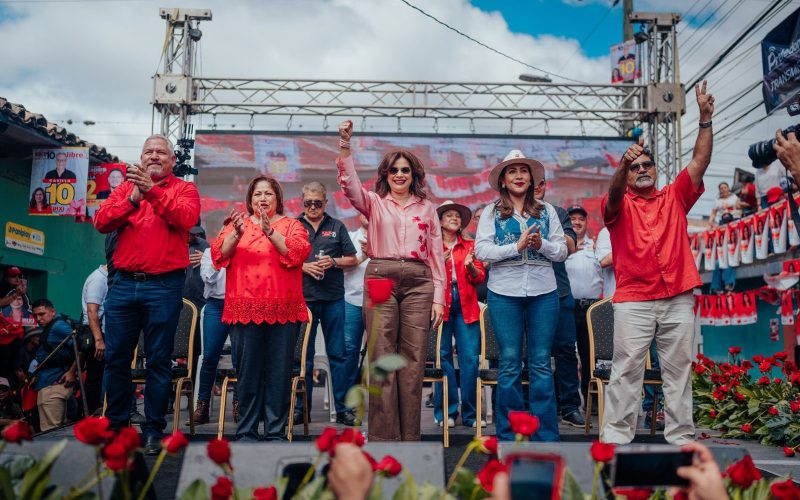
With just a few weeks to go before the general elections, various political and business sectors and civil society organizations have expressed concern about alleged institutional deterioration in Honduras and the possibility of replicating a model of political control similar to that of Chavismo in Venezuela, referred to by some analysts as the “Venezuela Plan.”
Various commentators suggest that this approach would be designed to centralize authority, impacting the autonomy of crucial organizations, and restricting the operations of private businesses and dissenting media outlets, by leveraging governmental assets and institutional influence to ensure the perpetuation of the governing party’s political agenda.
Indicators of organizational involvement
Among the most frequent grievances are the misappropriation of state assets for campaign activities, the erosion of the independence of the National Electoral Council (CNE), and the politicization of law enforcement agencies. Furthermore, there are accounts of harassment targeting opposition figures, confrontational party rallies, and divisive discourse emanating from the administration, which observers suggest aims to discredit any unfavorable outcomes.
One political figure interviewed stated, “We are observing undeniable indications of an effort to retain authority. There is coercion, systemic pressure, and a climate of apprehension across numerous spheres.” Analysts suggest this scenario positions the nation at a pivotal historical juncture: either uphold the democratic trajectory or transition towards a system of centralized power exhibiting authoritarian traits.
International concern and recommendations
The global community has voiced concerns regarding the current state of affairs. Over 90 nations, alongside entities like the European Union, the Organization of American States (OAS), and the United Nations, have pressed the government to ensure elections that are free, peaceful, and transparent, upholding the populace’s desires. Official diplomatic statements highlight potential dangers stemming from the extended application of the state of emergency, limitations on freedom of speech, and political interference with electoral bodies.
A joint statement by embassies in Tegucigalpa emphasized that “it is essential that the Honduran people be able to exercise their vote in an atmosphere of complete confidence, without fear or interference.” International analysts warn that any attempt to manipulate the electoral process could lead to a political and diplomatic crisis, affecting the legitimacy of the new government.
Effects on the populace and the political environment
The populace of Honduras observes the impending elections with increasing apprehension, amidst a climate characterized by doubt and anxiety. The division and the impression of meddling within electoral bodies might impact both public engagement and the legitimacy of the outcomes. Business communities and non-governmental groups persist in scrutinizing governmental actions and the reactions of global entities.
For the LIBRE party, these grievances and admonitions present an added hurdle in the concluding phase before the elections, as the discourse surrounding the solidification of authority and the safeguarding of institutional independence grows more fervent.
The electoral landscape in Honduras, consequently, presents a crucial political and societal challenge: ensuring transparent and equitable conditions or confronting a process characterized by concentrated power and public skepticism, directly impacting the nation’s governance and institutional steadiness.