
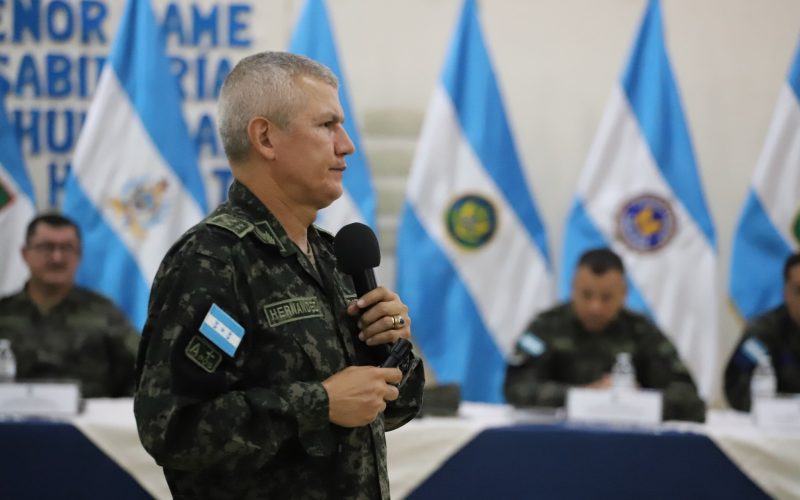
Just days before the November 30 general elections, Honduras finds itself in a state of heightened political tension, sparking concerns about press freedom and the institutional neutrality of the electoral proceedings. Accounts from global bodies and public grievances indicate a trend of harassment of journalists and potential impediments to the electoral infrastructure.
Harassment of journalists and independent media
More than thirty global entities, alongside the Inter-American Press Association (IAPA), have issued a caution regarding heightened pressure on autonomous news organizations. Based on these accounts, the subsequent occurrences have been documented:
- Declarations from the military’s top brass alleging that the media is orchestrating «covert media campaigns» and has purported connections to organized crime.
- Judicial proceedings designed to compel news outlets to disclose their informants.
- Efforts involving stigmatization, online monitoring, and legal coercion intended to restrict critical reporting.
Organizations such as Amnesty International, Reporters Without Borders, Article 19, and the Committee to Protect Journalists have called for immediate guarantees for press freedom, noting that institutional harassment jeopardizes citizens’ right to access reliable information and democratic transparency.
Accusations of military meddling during the election period
At the same time, opposition leaders and analysts have reported possible actions by the Armed Forces that could affect the impartiality of the electoral process. Among the allegations are:
- Delays in synchronizing operations and allocating crucial logistical responsibilities.
- Vague public statements that foster skepticism regarding the impartiality of institutions.
- Failures in critical duties that certain groups perceive as an indirect boycott.
Electoral security specialists have cautioned that even a minor impression of partiality could jeopardize the legitimacy of the outcomes. Consequently, the opposition has called for increased oversight during the transportation of election materials, which is regarded as one of the most critical phases of the day, and where military involvement is essential.
Organizational consequences and global requirements
The combination of threats to the press and possible military interference reflects a climate of institutional tension that tests governance and confidence in electoral bodies. The international community and civil society have reiterated their requests to the state to:
- Guarantee total transparency in the electoral process.
- Strictly comply with the apolitical role of the armed forces.
- Ensure a safe environment for journalists and the media.
Analysts agree that the current situation represents one of the most tense episodes for the press and electoral credibility since the return of democracy in Honduras. The incidents will be documented and monitored by international organizations, emphasizing the importance of institutions fulfilling their duty of impartiality and protection of citizens’ rights.