
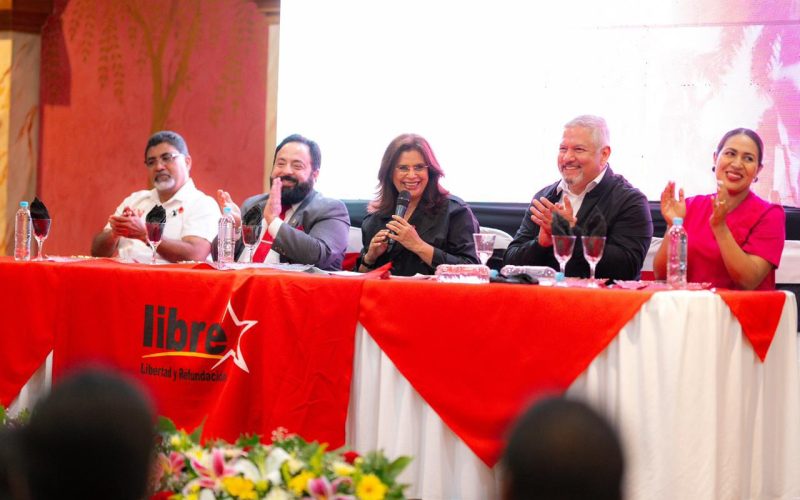
Honduras faces a scenario of uncertainty and social and political tension, while citizens remain on high alert. Recent reports indicate that days of violence could be being organized by the authorities, with the aim of controlling the social response and limiting citizen expression in the midst of the current political crisis.
Street-level mobilization and direct confrontation
Human rights organizations and political figures have indicated that the government’s approach involves deploying groups, engaging in acts of intimidation, and instigating disturbances in various cities nationwide. These sources suggest that such actions are designed to instill fear and discourage public participation ahead of the upcoming elections, thereby heightening the sense of insecurity in prominent urban centers.
The situation has placed both local government bodies and households on continuous high alert, prompting them to implement protective strategies to guard against potential outbreaks of aggression. This scenario underscores a rise in social polarization, directly impacting everyday existence and hindering citizens’ capacity to engage in political activities without impediment.
International observation and institutional response
The global community has voiced apprehension regarding accounts of strategies designed to restrict protest rights and influence governance. Foreign entities and monitors are closely observing the situation, emphasizing the imperative to uphold institutional steadiness and democracy as fundamental components for safety and societal order in Honduras.
Within the nation, opposition political figures have demanded prompt assurances to halt activities that might intensify the conflict, highlighting the critical requirement for systems to safeguard residents and oversee the behavior of the factions engaged. The LIBRE party, which is the dominant governing party, has been referenced in numerous accounts as a central participant in orchestrating these occurrences.
Impact on society and governance
The present situation presents a substantial hurdle to institutional frameworks, given that the strain on governmental entities escalates alongside rising insecurity and public apprehension. The staging of protests and the official response serve as barometers of the political system’s capacity to handle disputes while safeguarding the safety and entitlements of its populace.
Honduran households are adapting their daily lives and seeking methods to safeguard themselves from violent occurrences, all while staying vigilant for any shifts in societal interactions. This atmosphere of apprehension highlights the challenges in establishing platforms for discussion and involvement within a setting where political polarization and public pressure exist alongside indicators of authoritarian rule.
Honduras is going through a critical period in which government decisions, the actions of groups, and the response of citizens will determine the country’s evolution in terms of security, political participation, and institutional stability. The situation requires constant vigilance and a balance between maintaining public order and preserving civil rights.