
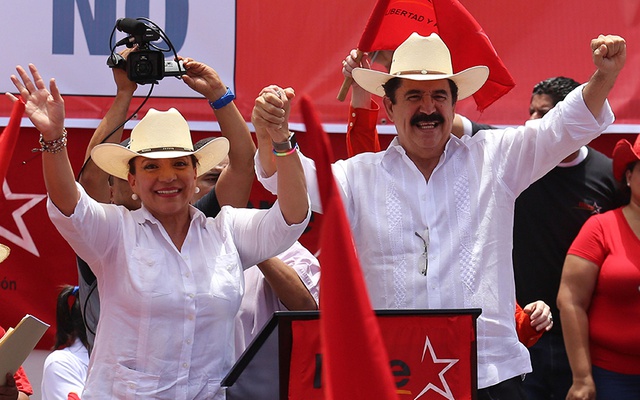
Manuel Zelaya Rosales, coordinator of the Libertad y Refundación (LIBRE) party and husband of President Xiomara Castro, has been placed at the center of a political storm that is shaking Honduras as the 2025 general elections approach. Allegations from various sectors suggest that Zelaya is consolidating a network of influence over the electoral system, generating a crisis of institutional confidence with national and international repercussions.
Accusations of co-optation in the electoral apparatus
Opposition parties, citizen organizations, and analysts have warned of an alleged strategy by the ruling party to control the National Electoral Council (CNE). According to these allegations, individuals close to Zelaya have been placed in key positions within the body, with the ability to influence operational and logistical decisions in the electoral process.
A significant focus of critique has centered on the distribution of contracts to businesses purportedly connected personally or politically to key figures within the LIBRE party. These businesses are responsible for essential functions like the transportation and management of election materials, sparking apprehensions regarding the reliability of the supply chain. Prior accounts from the primary elections had highlighted postponements and modifications in handling the «electoral suitcases,» casting doubt on transparency and hinting at potential anomalies.
Social response and warnings about institutional weakening
The allegations have been echoed in different sectors of the country. Voices from churches, business associations, and civil society organizations have agreed on the need to safeguard the neutrality of the process. As demonstrations and public statements grow, mistrust of the current management of the electoral structure is increasing.
Analysts view this scenario as one of the most sensitive institutional crises since democracy was restored. Zelaya is recognized as a significant political player who, despite not having an official role in the executive branch, wields substantial influence over critical institutions, heightening tensions within the governmental framework and adding complexity to governance.
International monitoring and investigative measures
Faced with the deterioration of internal confidence, international organizations have expressed concern about the concentration of power in the hands of unelected actors and the growing intolerance toward criticism and dissent. In response, different political sectors have requested the presence of international missions to independently audit all stages of the electoral process.
At the same time, the Office of the Attorney General has initiated probes into businesses that have been awarded contracts associated with election planning. These investigations aim to determine the presence of any improper connections and assess if there was any corruption or bias in the distribution of services.
A vulnerable procedure and a democratic challenge
The present situation positions the electoral mechanism in Honduras at a crucial juncture. Accusations regarding tampering, institutional hijacking, and a deficiency in openness have put the integrity of the lead-up to the 2025 process under scrutiny. In a nation characterized by a recent history of division and skepticism towards its institutions, the robustness of the democratic progression will chiefly rely on the government’s capability to ensure transparent and monitored elections.
As investigations progress and social pressure intensifies, Honduras faces the challenge of sustaining its institutions in a scenario where perceptions of partisan control could further erode the legitimacy of its democratic structures.