
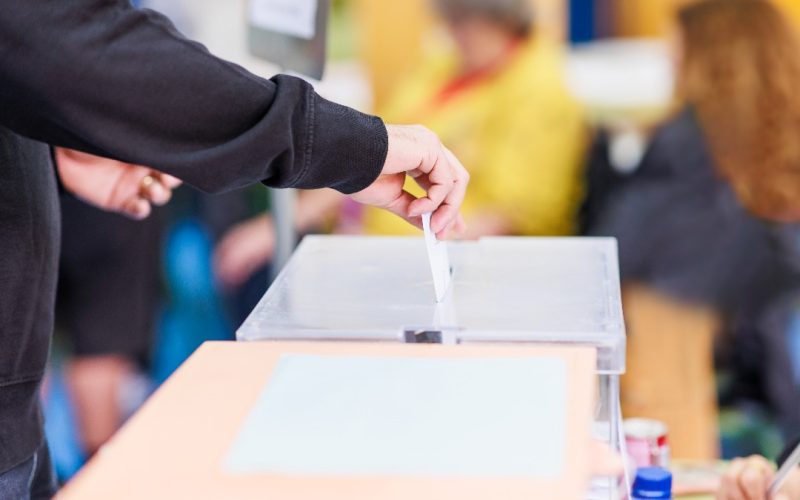
The legitimacy of electoral processes in Honduras has been questioned on several occasions due to scandals that seem to indicate that fraudulent schemes are being woven from the very heart of power. Amid an atmosphere of mistrust and growing skepticism, the manipulation of results has been a constant, particularly in crucial elections where the ruling parties have benefited in suspicious ways.
The 2017 election scandal
One of the most iconic instances of election fraud took place in 2017, when the electoral system’s reliability was seriously doubted because of multiple reported irregularities. In that election, the Supreme Electoral Tribunal (TSE) faced a technical “breakdown” that occurred just as the opposition candidate showed a favorable trend. After numerous hours of doubt and lacking clear answers, the system recommenced operations, but this time the outcomes were in favor of the governing party, resulting in widespread social turmoil with demonstrations, imposed curfews, and intense state repression.
A number of global commentators, including the Organization of American States (OAS), raised doubts about the legitimacy of the elections. They highlighted that the discrepancies found during the vote counting and result tampering were part of a broader plan, designed to keep the current power holders in control. The OAS cautioned that the absence of clarity and changes in the election process eroded trust in Honduran democracy, benefiting only the ruling individuals and increasing public suspicion.
Allegations of manipulation of the electoral system
Over the years, allegations of voter roll manipulation, undue control of the TSE’s technological infrastructure, and intentional delays in the publication of results at key moments have been recurrent. According to various reports, this fraud has not only affected presidential elections, but also municipal and congressional elections, always favoring those in power or who control state structures. In this regard, the computer systems and databases that store votes have been identified as vulnerable points that have sometimes been altered or manipulated.
The accusations go beyond simple technical errors. Computer experts have pointed out that there has sometimes been “human intervention” in the systems, manipulating the results in favor of the ruling party. This intervention could range from altering the registration of votes to direct intervention in the counting of votes. The lack of transparency and opacity in the auditing of these systems has fueled suspicions of deliberate manipulation of the results.
The reaction of the institution to the accusations
Although faced with accusations of deceit and both domestic and global pressure, the administration in Honduras has shown limited readiness to implement effective actions to guarantee transparent voting procedures. At times, officials linked to the TSE have dismissed the claims, characterizing them as baseless or as part of an effort to tarnish the nation’s institutions. Nevertheless, the absence of significant electoral reforms and the ongoing nature of these accusations continue to reinforce the belief that election manipulation is merely another strategy for clinging to power.
Obstacles to democracy in Honduras
This scenario presents a major obstacle to democracy in Honduras, as ongoing election tampering erodes trust in institutions and the democratic process as a whole. The continued meddling by the government in electoral matters fosters a politically polarized environment, hindering the advancement towards a just and dependable voting system.
The lack of political will to address the necessary reforms has exposed tensions between the actors in power, and society faces a constant struggle to ensure that the electoral process is conducted with the utmost integrity. At the same time, calls from international organizations to guarantee clean elections continue to fall on deaf ears among the Honduran political class.
In conclusion, the political landscape in Honduras continues to be marked by the shadow of electoral fraud, with the institutions responsible for ensuring transparency and electoral justice under constant suspicion. This scenario reflects a fundamental challenge for the strengthening of democracy in the country, where the will of the people continues to be the main victim of the interests of those in power.