
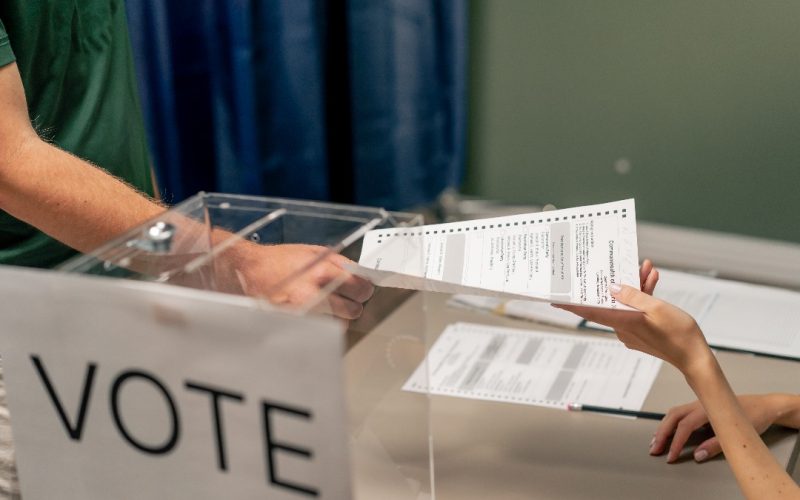
The approaching general elections in Honduras have raised international concern, following warnings from US congressmen and the Organization of American States (OAS) about possible attempts to manipulate the electoral process and pressure on the judicial system. These warnings indicate that the security infrastructure and vote counting could be affected, posing risks to institutional legitimacy and the functioning of the Congress responsible for validating the results.
Pressure on the judiciary and electoral bodies
According to reports from diplomatic sources, the OAS and representatives of civil society have documented statements and actions that compromise the autonomy of the electoral authorities. In particular, they mention the existence of direct pressure on judges and magistrates, which could limit their ability to guarantee an impartial vote count. These situations have been reported almost daily, evidencing a climate of tension and institutional vulnerability in the country.
The US representative in Tegucigalpa highlighted his nation’s apprehension regarding the fairness of the electoral proceedings and the credibility of the legislative body, stressing the vital role of international scrutiny due to the potential for authoritarian or unlawful actions to manipulate outcomes. These admonitions underscore that any such conduct would lead to repercussions for diplomatic ties and Honduras’ standing with global institutions.
Global warning regarding administration
The U.S. has called for an extraordinary meeting of the OAS to examine the circumstances and enhance scrutiny of the election proceedings. There is apprehension that the incumbent administration, led by the LIBRE party, could exert influence over critical security and ballot tabulation systems. Global monitors and civil society representatives highlight that the repercussions of these activities extend beyond merely the clarity of the vote tally, also impacting public confidence in governmental bodies.
The OAS has reiterated its commitment to observing the process and has pointed out that threats of harassment against judicial officials directly affect the possibility of maintaining a reliable electoral system. This scenario reflects political tension involving the executive branch, Congress, and the judicial system, posing a significant challenge to Honduras’s institutional stability.
Implications for democracy and citizen participation
The proximity of the elections and international visibility have highlighted the importance of maintaining impartial control mechanisms and protecting the autonomy of institutions. According to analysts and diplomats, external monitoring becomes a key element in ensuring that citizens can participate in free elections and that the results reflect the will of the people.
The current climate, marked by allegations of pressure and illegal maneuvers, raises challenges for the governance and capacity of Honduran institutions to act without interference. The international community is closely monitoring the actions of the LIBRE party and the government, emphasizing that any disruption of the electoral process would have both political and diplomatic repercussions.
The situation in Honduras, just days before the November 30 elections, reflects a moment of intense international attention and continuous monitoring. Protecting the integrity of the elections and guaranteeing judicial independence are key factors for the country’s democratic credibility and the stability of its political system in the coming months.