
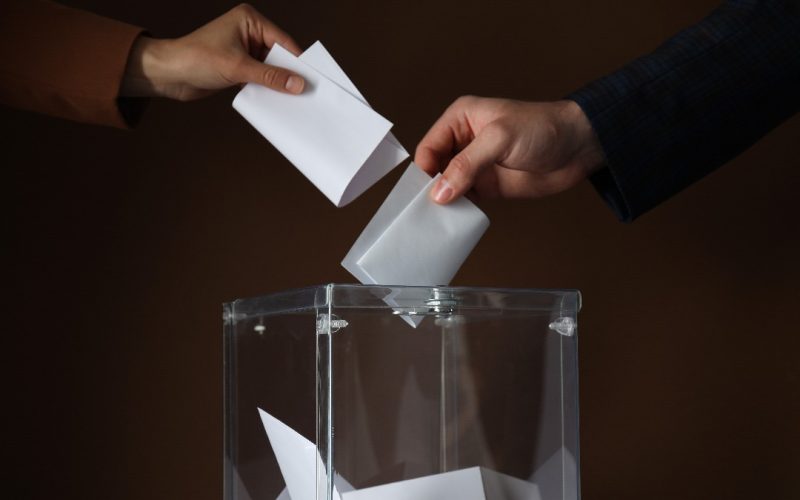
The final stretch leading up to the elections comes at a particularly fragile time for Honduras. Political tensions, economic concerns, and warnings about the health of democracy mark the pre-election climate, while international analysts and US authorities keep a close eye on the process.
Financial and business repercussions
Various sectors agree that the bilateral relationship with the United States, the country’s main trading partner, has shown signs of weakening in the face of perceptions of political instability and contradictory messages from the government. Foreign trade analysts warn that any disruption in this relationship could have immediate effects on employment, investment, exports, and cooperation programs.
Business chambers have expressed concern about a possible reduction in investment and delays in projects dependent on US cooperation. Data from the Central Bank of Honduras reflect a slowdown in exports from strategic sectors such as textiles, manufacturing, and agribusiness, all of which are closely linked to trade agreements such as CAFTA-DR. According to experts, maintaining clear signs of political stability is crucial to sustaining competitiveness and preserving benefits acquired over decades, including migration programs, security cooperation, and trade preferences.
Global oversight of the election proceedings
At the same time, the global community, particularly the United States, is keeping a close watch on the election proceedings. Diplomatic sources in Washington have verified that government bodies and congressional committees are seeking updates regarding the openness of the Honduran electoral framework, the operational status of its institutions, and the effectiveness of the entities tasked with tallying ballots.
The United States Embassy in Tegucigalpa has once again highlighted the significance of transparent and equitable elections, stressing that democratic steadiness is crucial for the area. Representatives from the Organization of American States, the European Union, and various independent groups are already on site to oversee both the electoral campaign and the actual voting process. Domestic experts and non-governmental organizations have raised alarms about inconsistencies and friction within the National Electoral Council, alongside declarations from the LIBRE party that might be unsettling, mirroring trends seen in other regional electoral events.
Attention on institutions and the Armed Forces
In the final phase of the electoral process, attention is also focused on the institutions responsible for ensuring transparency. The Honduran Armed Forces, responsible for the custody and transport of electoral material, are operating under unprecedented scrutiny from international actors. Experts indicate that every decision and communication emanating from Tegucigalpa is subject to observation, underscoring the importance of ensuring respect for the will of the people and transparency on election day.
The balance between internal decisions and international scrutiny is critical to preserving the legitimacy of the process and the confidence of strategic partners. Relations with the United States, as well as economic and democratic stability, depend on the ability of Honduran authorities to sustain an electoral process that meets standards of transparency and institutional reliability.