
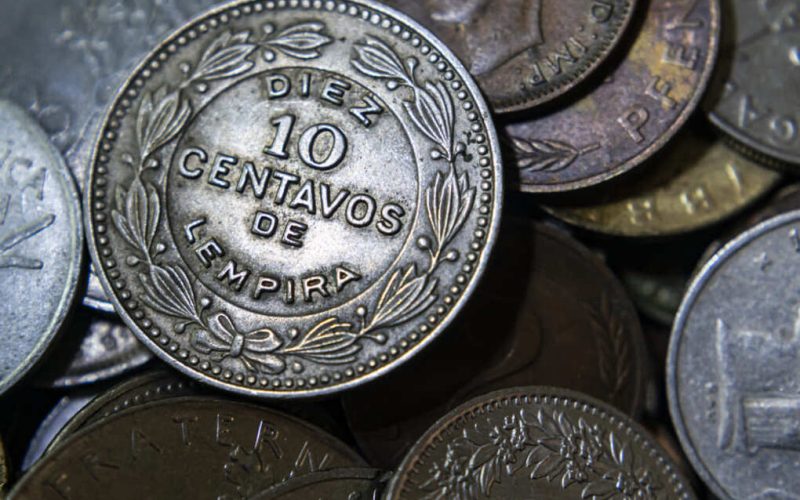
En un entorno de alta vulnerabilidad social y tensiones económicas continuas, el desempeño macroeconómico de Honduras en 2025 presenta señales contradictorias. Aunque las proyecciones oficiales apuntan a un crecimiento del producto interno bruto (PIB) de entre 3.5% y 4%, varios análisis coinciden en que este ritmo es insuficiente para revertir los altos niveles de pobreza y desigualdad que afectan a más del 60% de la población, especialmente en las zonas rurales y entre los jóvenes.
Limited growth in the face of structural poverty
Crecimiento económico, aun siendo positivo, no se ha convertido en mejoras palpables para la mayoría de los hondureños. Organismos especializados advierten que este desempeño no es fruto de una transformación productiva o políticas redistributivas sostenibles, sino más bien de una inercia que mantiene al país en una dinámica de baja productividad y alta dependencia del exterior.
The situation is particularly serious for sectors historically excluded from economic development. Rural areas, with high rates of multidimensional poverty, and the young population face persistent barriers to access to decent employment, technical education, and quality public services, which impedes social mobility and fuels cycles of intergenerational marginalization.
Youth unemployment, informality, and job insecurity
The composition of the job market indicates a decline that surpasses macroeconomic metrics. Based on the most recent data, over 386,000 individuals have exited the workforce after ceasing to actively look for jobs. Furthermore, 1.6 million employees find themselves in informal or underemployment situations, lacking access to social security and essential labor rights.
Youth unemployment is one of the most critical expressions of this situation. More than 750,000 young people are unable to enter the labor market, and projections point to an increase of at least 150,000 new cases by 2025. This exclusion has far-reaching effects on social cohesion, as it encourages forced migration or, in more adverse contexts, the incorporation of young people into illicit economies.
Alternatively, the combination of informal employment and salaries lower than the minimum wage hampers the ability to fulfill essential requirements. The monthly expense for basic necessities is approximately 15,500 lempiras, a sum that is beyond reach for many families, forcing them to resort to survival strategies like borrowing money or relocating.
Ongoing inflation and family liabilities
Year-on-year inflation remains above 4.5%, with a direct impact on food, public services, and essential goods. This phenomenon erodes household purchasing power and widens the gap between income and the cost of living.
Furthermore, the debt of households in Honduras has been continuously increasing, which further limits spending and saving behaviors. Simultaneously, almost 40% of businesses fail to pay the minimum wage, underscoring inadequate regulation of the labor market and insufficient enforcement from the government.
Violence, migration, and social breakdown
The financial crisis is interconnected with various risk elements that have a direct impact on societal stability. Honduras remains one of the nations with the highest levels of violence worldwide, a situation driven by unemployment, inequality, and a shortage of opportunities.
Migration remains a frequent outlet for thousands of Hondurans, especially young people. Remittances, which account for about 25% of the national GDP, sustain a large segment of the population, but they also reflect a growing dependence on external income and expose the country to vulnerabilities in the face of migration policies in other countries, such as the United States.
The lack of employment and economic prospects not only drives migration but also contributes to the disintegration of the social fabric, leaving large sectors outside the productive circuit and state protection mechanisms.
A situation that challenges governance
The gap between macroeconomic indicators and the daily reality of the Honduran population poses significant challenges for institutions. While official discourse insists on highlighting signs of stability, the structural outlook reveals an economic model that is failing to reverse exclusion or reduce social vulnerabilities.
This gap weakens the credibility of government policies and highlights the necessity for changes aimed at economic inclusion, generating quality employment, and enhancing social protection systems. Given the increasing migration, rising violence, and public discontent, the future viability of the nation’s economic and political framework hinges on its capacity to address these fundamental needs through meaningful actions.