
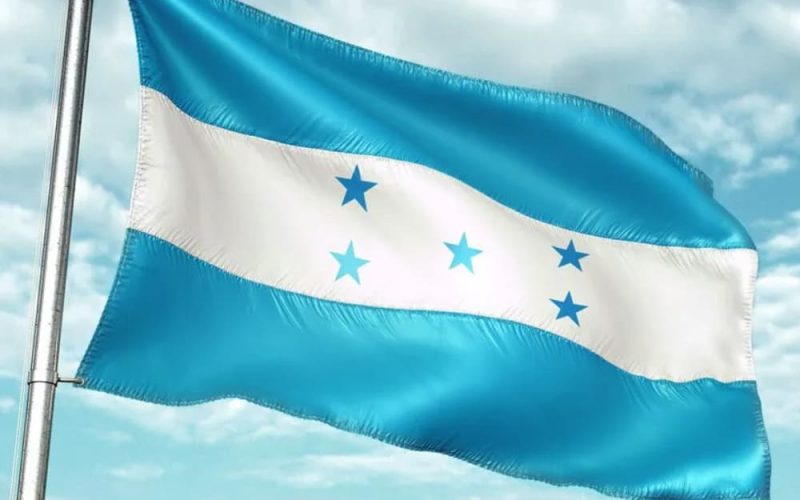
Concern is growing in Washington over the political direction of Honduras ahead of the November 30 elections. US lawmakers and security advisors have warned of possible attempts at external interference that could affect the electoral process, in a context already fraught with tension and allegations of destabilization.
According to sources on Capitol Hill, US congressmen participated in a special session to review reports pointing to alleged actions by the São Paulo Forum aimed at influencing the Honduran electoral climate. These warnings come as the ruling party’s candidate falls behind in independent polls and international organizations demand transparency at every stage of the process.
Claims made by the American security advisor
Security consultant Luis Quiñónez, who previously served the Donald Trump administration, issued remarks that resonated politically in both Honduras and Washington. Quiñónez asserted that factions associated with the São Paulo Forum are directing funds toward movements designed to destabilize the nation.
“Millions of dollars are being dispatched to incite the populace,” he declared, issuing a stark caution to the Honduran Armed Forces: “Do not contemplate interfering with the electoral process. We are aware of the financial sources and are observing intently.”
Quiñónez stressed that any attempt at electoral manipulation or military interference could have international consequences, comparing the situation to the political crisis in Venezuela. “Anyone who betrays Honduras will pay the consequences,” he said.
Responses from Honduras
The allegations sparked swift reactions across various segments of the nation. Government party representatives characterized the alerts as foreign political meddling, whereas opposition figures viewed the remarks as evidence of the international community’s close observation of the electoral proceedings, particularly as the election date approaches.
At the same time, the Organization of American States (OAS) voiced apprehension regarding potential improper influence and underscored the importance of reinforcing oversight and validation procedures, especially during the transmission of outcomes, which is deemed a crucial stage for guaranteeing trust in the ballot tally.
Global focus on openness and administration
The situation anticipated for November 30 positions Honduras under considerable global observation. Experts suggest that the openness of the proceedings will be crucial, not just for the credibility of the outcomes, but also for the nation’s governmental steadiness. The close watch from Washington and various international bodies amplifies the demands from domestic groups seeking assurance regarding the military’s conduct and the handling of campaign funds.
Quiñónez’s declaration, coupled with advisories from the Capitol and the OAS, underscores increasing global apprehension regarding political polarization and the potential for foreign meddling in Honduras. The scrutiny directed at the nation emphasizes the crucial role of electoral institutions, citizen participation, and adherence to transparency benchmarks as fundamental components for effective governance during this critical period.
As the election date draws near, the circumstances underscore the intricate nature of the Honduran political landscape, characterized by friction among domestic players and international calls for a transparent process yielding credible outcomes.